
If you have ever tested an AI vibe coding platform, the following scenario might sound familiar: Your company has this spreadsheet that has been around for ages. Nobody fully understands it (it is just part of the office lore at this point), but everyone complains about it, because it is a pain to use.
So you decide to take matters into your own hands and try out one of the latest vibe coding tools or app builders to create a digital tool that accurately captures the same process as the spreadsheet: your customer profiles, your projects, your approval steps, and so on.
You are thrilled, because this will save everyone so much time! But when you show it to your team, they raise some really important questions. Can one client accidentally see another client’s documents? What happens if we want to update or change the tool? Where is the data stored? How do we know it is safe to use? Suddenly, you feel a bit defeated. The vibe coding tool did not cover this, and you do not know where to find the answers.
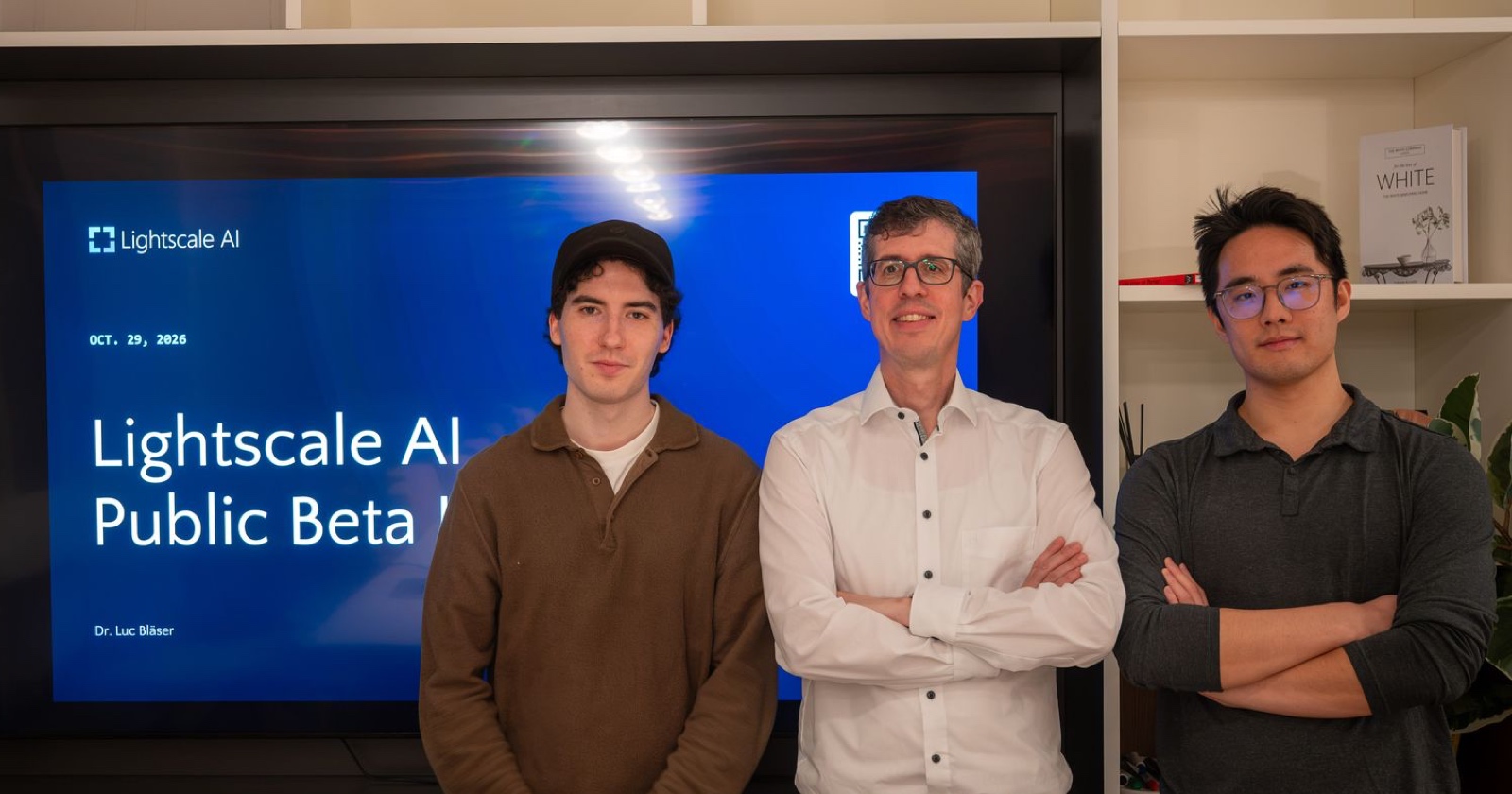
That uncertainty is exactly why we built Lightscale AI.
Why another app builder?
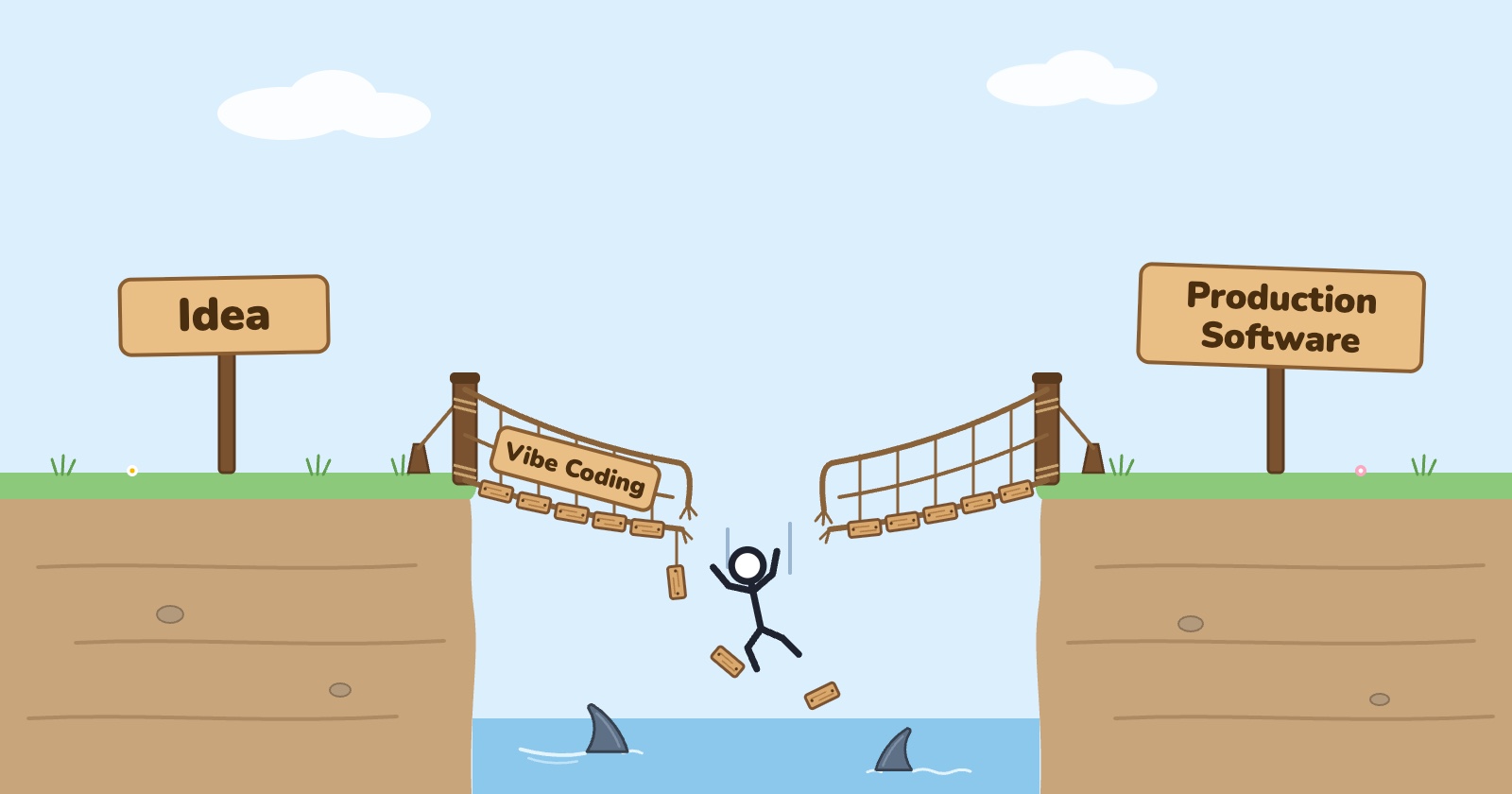
There are already dozens of vibe coding and app builder tools on the market. And to be fair, many of them are genuinely good at presenting you with a first version of your tool. You simply describe what you need, and minutes later you have something you can actively click through and explore.
But the issues arise the moment people start actively using and relying on the tool. Once employees start entering real data and customers log in, all bets are off, and you face three key risks.
You do not know what to check
When you click through your app, you are mostly checking the surface-level interactions of the tool you have built: does it seem to work as expected? The problem is that many of the rules and protections that you need for a safe, fully functional piece of software reside far below the surface. They define what should not be possible as much as what should. A client should not see another client’s invoices. An employee should not approve their own expenses. Often, none of that shows up when you use the app as intended.
Take the client portal. Each client sees only their own documents, and that looks right at first glance. But the screen only decides what is displayed. What the server hands out to someone who asks for a document directly, without going through the screen, is decided somewhere else. Nothing on the screen will tell you.
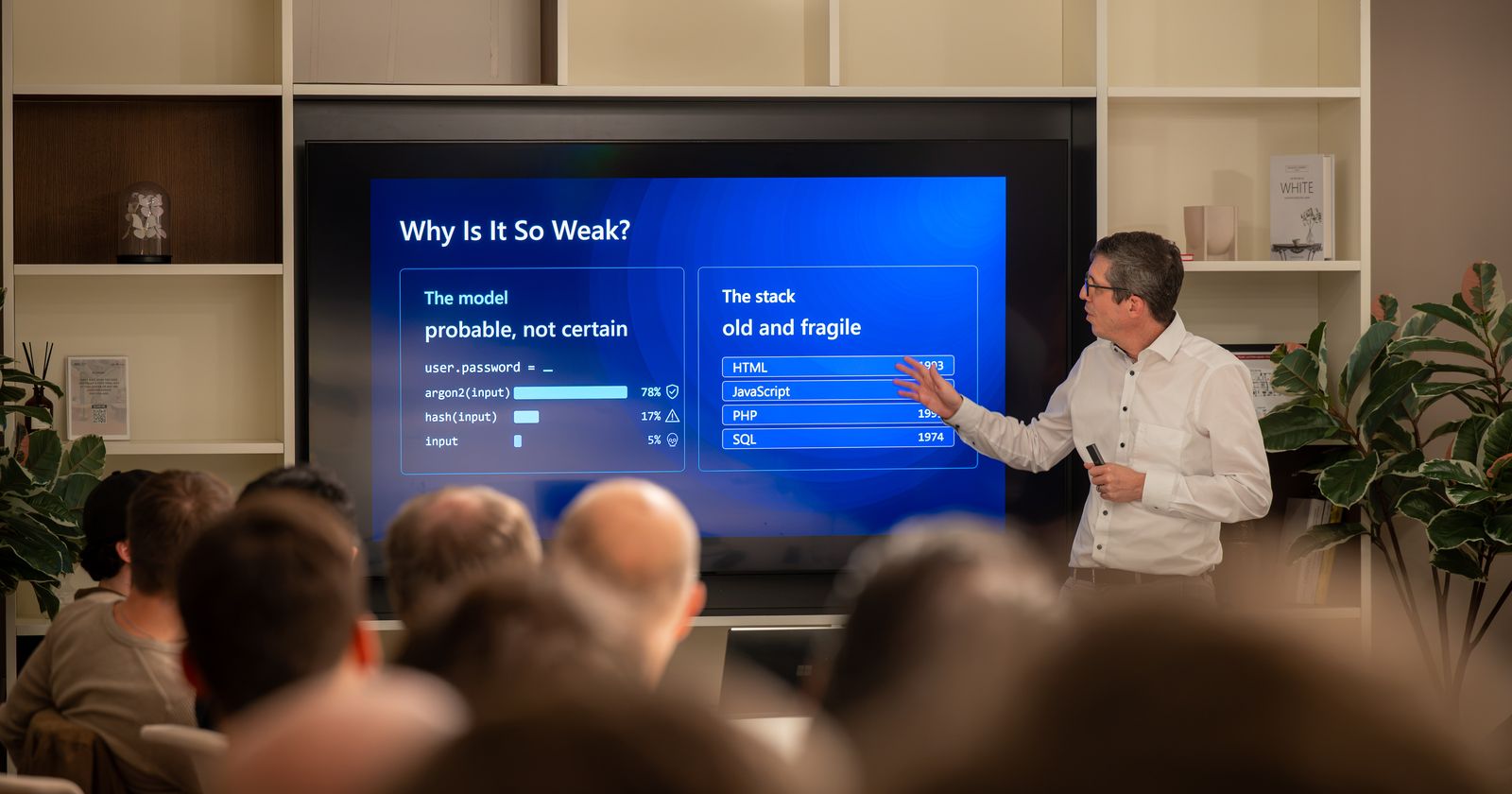
The AI actually knows all of this: ask it about access control, data migration, or session handling, and it will explain each one to you quite well. But it only answers the question you ask, and a business application rests on hundreds of questions you would not think to ask.
AI breaks code all. the. time.
In most app builders, your requests turn into code. That code serves as the record of what you have asked for. Every time you ask for something new, the AI rewrites parts of that code based on its interpretation of your request. If it misunderstood you, or changed something you never asked about, the only place to see it is the code. And just like that, a rule or feature that worked yesterday can break today, in a part of the app nobody touched. The check you did last month says nothing about this week’s version.
Writing your rules into a prompt or an instruction file does not change that. The AI reads them as strong suggestions and follows them most of the time. But you will not know when it did not, and checking would mean actually reading the code.
You become dependent, so it has to keep running
Your business is not static. Processes evolve and needs change. Once your team has entered real data, every change has to carry the existing records along without disruption, and the tool has to run every day for people who depend on it.
This means someone has to take care of:
- converting every existing record when a field is added or split,
- recovering when a change fails halfway and leaves the data in two shapes,
- making backups and knowing how to restore them,
- noticing when emails stop going out,
- answering when a customer cannot log in.
Platforms generally handle part of this, but the rest falls to whoever built the tool, and that is precisely where people get stuck: data that is lost after an update, outages with nobody to call, costs that grow with every fix, and no clear way to take the software elsewhere.
How Lightscale AI makes AI-built software safe and reliable
Our approach splits the work in two. The AI writes down your requirements: your data, your workflows, and who may do what. A compiler, not the AI, turns those requirements into the finished application, the same way every time you make a change or update.
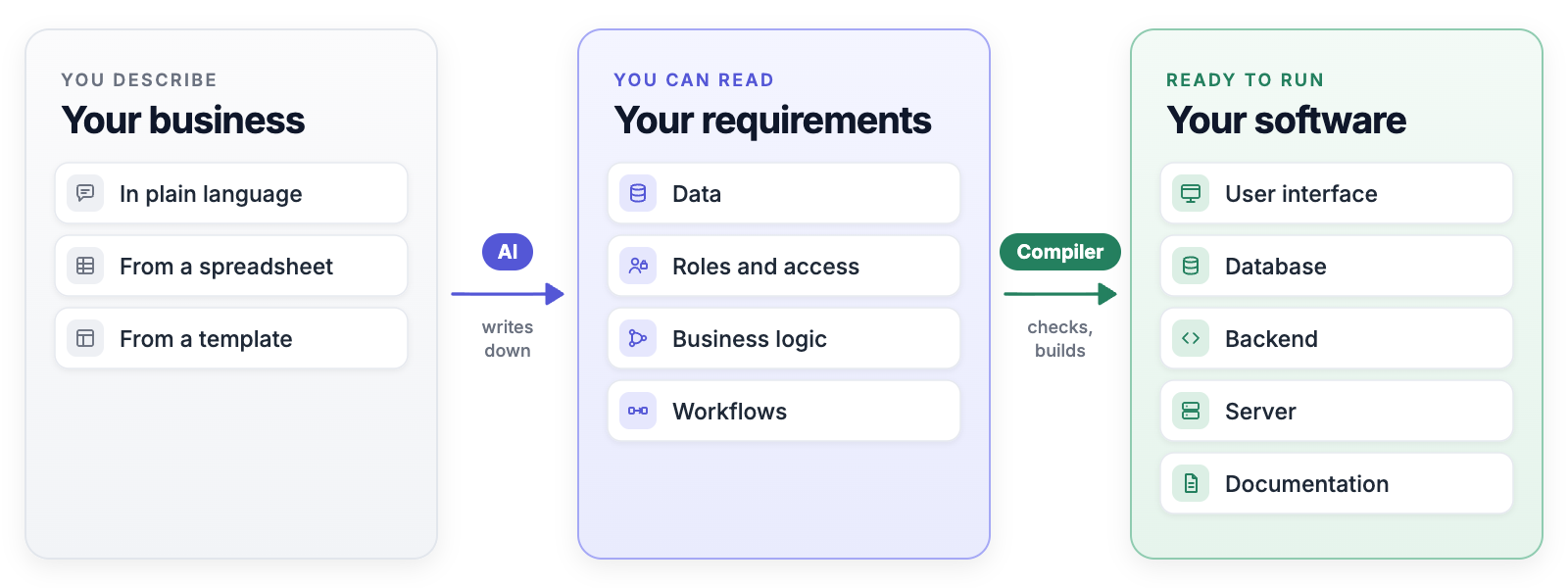
What this means for you:
You can read your requirements. Permissions are easy to track in a table of record types and roles, which shows who may read, create, change, or delete records, and whether that covers all records or only their own. Generated documentation describes these rules in plain language and is regenerated with every change, so it always matches the software. If a rule is not what your business needs, you say so, and the requirements change. You never have to find it in code.
The rules hold where it matters. The compiler generates the screens, the database, the sign-in, and the checks on the server. Your rules are enforced on the server, not just on the screen. Anything you have not granted stays closed, so a forgotten rule only ever makes the software too strict, never too open.
A change touches only what you asked to change. When you ask for something new, the AI updates the requirements, and the compiler builds the new version from them. Everything you did not change comes out exactly as before.
Your data survives every change. When a change affects stored data, your existing records are carried forward, and nothing is deleted without your OK.
Keeping it running is our job. Hosting and backups are included. Prompting is free, and if you want to take your software elsewhere, you can download its source code.
You know your business. The software should not be your problem.
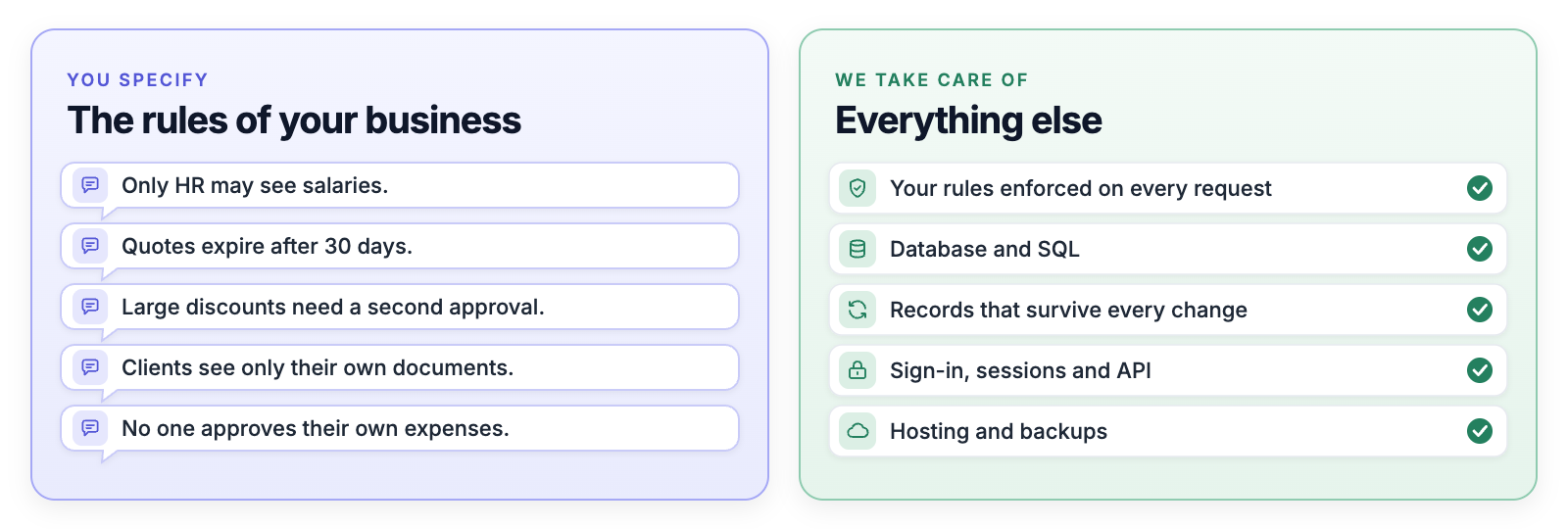
Some things only you can know and decide. Who may see a salary? When should a quote expire? Does a large discount need a second approval? Stating those rules clearly and keeping them current is your work, and no tool will do that for you.
Everything else is engineering: enforcing your rules on every screen and every request, making sure your records survive the next change, laying out the database, or deciding where the backups go. For these parts, Lightscale AI has you covered.